
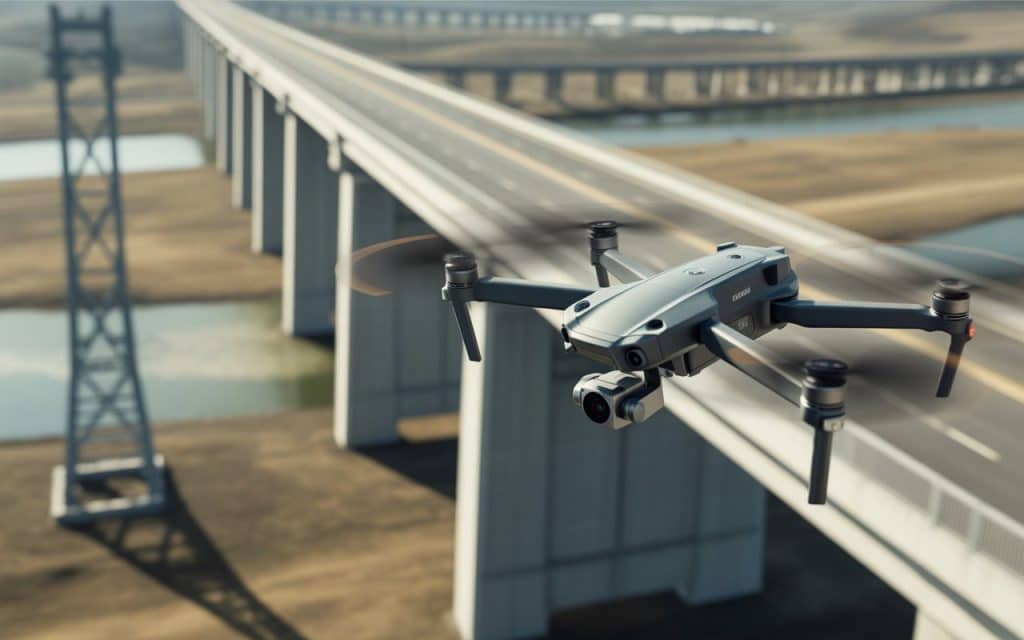
Across industries, inspection services are becoming more challenging every year. Assets are aging, sites are expanding, and safety expectations are rising fast. As a result, traditional inspection approaches are no longer enough for you. They are slow, risky, and often expensive to execute. This is why many organizations are now rethinking how inspections should be done. Drone inspection services are changing how you inspect critical assets. They provide a safer, faster, and more reliable alternative to manual methods.
Most importantly, they help you make confident decisions using accurate data.
Have you ever wondered how inspections can improve safety and efficiency together? Or why drones are becoming common across inspection workflows.
Let’s explore how this approach benefits you directly.
What is drone inspection?
Drone inspection refers to using unmanned aerial systems to inspect assets remotely. Instead of climbing structures or entering confined spaces, drones capture the required visuals. This allows inspections without physical access or operational disruption.
High resolution cameras collect detailed imagery from multiple angles. In many cases, sensors also gather measurement data for further analysis. Together, this creates a complete inspection record you can rely on.
This method removes many traditional inspection limitations. It also improves access to hard to reach locations. That alone changes how you plan inspections.
Why are inspection methods evolving?
Inspections today involve more complexity than ever before. Infrastructure is larger, environments are harsher, and timelines are tighter. Meanwhile, downtime has become increasingly costly for you.
Traditional inspections often require heavy equipment and large teams. They may disrupt operations and expose workers to safety risks. As a result, inspections can be delayed or scaled back.
4 Ways Drone Inspection is Better Than Traditional Methods
In comparison, drone inspection services address these challenges directly. They allow inspections to happen faster and more safely. This supports better planning and fewer interruptions.
1. Improved safety during inspections
Safety is one of the strongest reasons organizations adopt drones. Inspectors no longer need to work at heights or enter unstable areas. This significantly reduces exposure to hazards.
Drones perform inspections from a safe distance. Fewer people are required on site during inspections. Consequently, workplace incidents and liability risks decrease.
Over time, safer inspections strengthen your safety culture. They also improve confidence among teams and stakeholders. That is a meaningful benefit for you.
2. Accuracy that supports better decisions
Accurate data is essential for effective inspections. Drones capture consistent imagery using repeatable flight paths. This minimizes errors caused by human limitations.
Each inspection creates a reliable visual record. You can compare results across inspection cycles easily. This helps identify changes and emerging issues early.
A professional drone inspection service ensures data consistency. That consistency supports better maintenance decisions. It also improves long term asset planning.
3. Enhanced efficiency and reduced inspection time
Efficiency is another major advantage you will notice quickly. Drone inspections take hours instead of days. Large areas can be covered in a single flight.
Automated workflows streamline data collection and processing. This reduces the need for repeated site visits. You receive actionable insights faster.
By using drones, inspections fit better into schedules. Projects move forward with fewer delays. This efficiency saves both time and resources.
4. Cost efficiency across inspection projects
Inspection costs can rise quickly using traditional methods. Equipment rentals, labor, and shutdowns increase expenses. Weather delays can add even more costs.
Drone inspection services reduce many of these expenses. Fewer personnel are needed on site. Inspections are also completed faster.
Although drones require upfront investment, long term savings are clear. Lower operational costs appear over repeated inspections. This makes drone inspections cost effective for you.
Common uses across industries
Today, UAV inspection services are used across many sectors. Utilities rely on drones to inspect power lines and towers. Transportation teams use them for bridges and rail networks.
Construction projects benefit from regular progress inspections. Mining and energy operators monitor assets in remote locations. Environmental teams track changes without disturbing sites.
Each industry benefits from safer access and accurate data. This flexibility makes drones suitable for many inspection needs. It expands how you monitor assets.
1. Infrastructure inspections by drone
Infrastructure inspections by drone focus on large critical structures. These include bridges, towers, pipelines, and road networks. Many of these assets are difficult to access manually.
Drones inspect infrastructure without closures or shutdowns. They capture detailed visuals from multiple perspectives. You gain insights while operations continue.
This approach improves inspection coverage and safety. It also reduces public disruption. That is valuable for large scale projects.
2. Industrial drone inspections in action
Industrial drone inspections are ideal for complex facilities. Plants, tanks, and stacks often present serious safety challenges. Traditional inspections may require shutdowns or confined entry.
Drones inspect these environments quickly and remotely. They collect visuals without interrupting production. This minimizes downtime and operational impact.
For industrial operators, this is a major improvement. Inspections become routine instead of disruptive. Safety standards remain high.
3. Asset monitoring drones for long term insights
Asset monitoring drones support ongoing condition tracking. Regular flights create visual records over time. You can compare current and past conditions easily.
This helps identify gradual changes before failures occur. Maintenance can be planned proactively. Unexpected repairs are reduced.
With asset monitoring drones, inspections become strategic. They support long term planning instead of reactive responses. This adds measurable value to your operations.
Connecting inspection and mapping insights
Inspection data often complements surveying data. If you read our previous blog on UAV drone surveying accuracy, you will notice this connection. Both rely on aerial data for informed decisions.
Similarly, our aerial mapping blog explains how visuals support planning. Together, these approaches provide a complete asset view. This helps you understand conditions more clearly.
Choosing the right inspection partner
Technology alone does not guarantee quality results. Experience in flight planning and data interpretation matters. You need insights, not just images.
A reliable drone inspection service understands your inspection goals. They tailor workflows to your assets and risks. This ensures data is useful and actionable.
Working with the right partner maximizes inspection value. It supports real world decisions. And it strengthens outcomes.
At Rekon Solutions, inspection workflows are built around your operational realities. Our team prioritizes safety, accuracy, and usable deliverables. This ensures inspection data supports confident decisions.
Get in touch for a quote or project details.
The future of inspection services
Drone inspection services continue evolving rapidly. Sensors are improving and analytics are advancing. Automation will further enhance inspection workflows.
As adoption grows, inspections will become even more efficient. You can expect faster insights and higher data quality. This technology is becoming standard across industries.
Frequently asked questions
How can UAS potentially improve the efficiency of inspection processes
UAS reduces setup time and limits manual labor requirements. This leads to faster inspections and quicker access to insights.
How do drones enhance efficiency
Drones use planned flights and automated workflows. This helps you to avoid repeat site visits and lengthy preparation.
What are common uses of drones for inspection services
Common uses include utilities, infrastructure construction and industrial facilities. They are also used for asset monitoring and safety inspections.
Moving forward with confidence
Inspections guide how you manage safety and performance. Drone inspection services deliver reliable and timely insights. They help protect people, assets, and budgets.
When safety and accuracy matter, this approach delivers results. It allows you to inspect smarter and act sooner. That is the real value of modern inspections.
If you are looking for a reliable, experienced team for inspection services, get a quote here or contact our team to learn more about how we work.